Skip to main content![alt=""]()


- Go to homepage
- About
- Corporate
- Environmental sustainability
Back to:Corporate
Creating a sustainable future

Our sustainability focus areas
Action on sustainability requires a broad approach and strong leadership. As one of Australia’s largest vocational education providers, ÐãÉ«Ö±²¥is committed to leading by example.
Our environmental sustainability action plan focuses on 5 priorities:
-
moving towards net zero
-
managing climate risk and building resilience
-
embracing a circular economy
-
supporting healthy environments
-
educating and engaging staff, students and the community.
Our sustainability commitment
We’re creating a sustainable, circular economy across TAFE NSW.
By 2030, we will:
-
reduce greenhouse gas emissions by 50%
-
increase waste diverted from landfill to 80%
-
reduce potable water use by 30%
By 2050, we aim to reach net zero carbon emissions.
How we’re taking action
Most of our emissions come from electricity use. We’re reducing consumption by improving energy efficiency and switching to renewable energy.
We’re also:
-
increasing recycling across our campuses
-
reducing landfill waste by promoting reuse and repurposing supplies
-
improving our understanding of climate change impacts
-
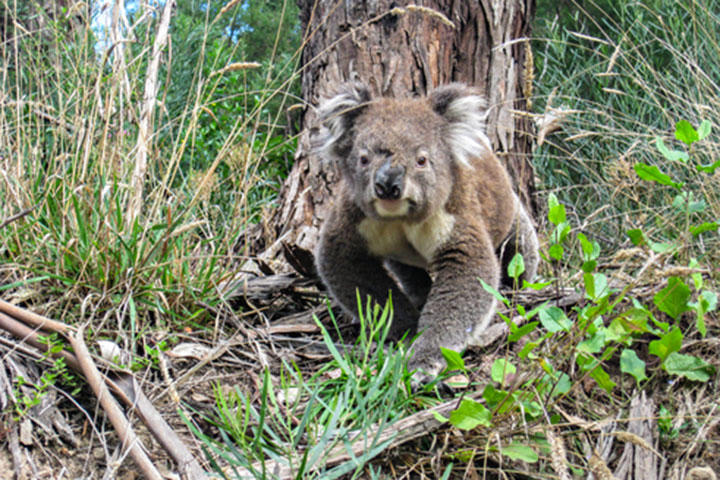
supporting biodiversity to create thriving campuses.
What we’re doing now
We’re already making changes, including:
-
using more solar power
-
switching to electric vehicles
-
installing energy-efficient lighting and equipment
-
repurposing and reusing furniture
-
assessing climate risks
-
improving how we plan for and respond to climate events.
Our goal
We’re committed to making our campuses sustainable, safe and resilient – great places to work and study.
Read our for more information.
Environment and sustainability courses
At TAFE NSW, we respond to industry trends and skills gaps. You can study renewable energy and sustainability to gain practical, job‑ready skills.
How ÐãÉ«Ö±²¥helped Leah
ÐãÉ«Ö±²¥helped Leah Foster make her businesses more environmentally sustainable. Based in the Snowy Mountains, Leah completed a Diploma of Sustainable Practice during COVID‑19.
She applied what she learned to her 2 businesses: Leeway Studio, a creative agency, and K7 Adventures, an eco‑certified tour company. Leah said, “I’ve long felt concerned about how we use resources and impact the environment. The course helped me identify inefficiencies in my business and improve them.�
We’re here to help
If you want to learn more about our environmental and sustainability practices, contact the ÐãÉ«Ö±²¥sustainability team.